HK

Regenerative Medicine

PRP and bone marrow concentrate therapies use your own biology to drive tissue repair. For the right candidate, these treatments offer a meaningful alternative to surgery — without the allogeneic products sold at unregulated clinics.

How PRP actually works

PRP begins with a standard blood draw. That sample is centrifuged to concentrate your platelets to 3–8 times their baseline level — roughly 500,000 to 2,000,000 platelets per microliter, compared to the normal 150,000–400,000. That concentration matters: it's what drives the growth factor cascade that produces a therapeutic effect.

When injected into damaged tissue, platelet alpha granules release a suite of growth factors: PDGF (platelet-derived), TGF-β, VEGF, IGF-1, HGF, and EGF. These signals recruit local stem cells, promote angiogenesis, and initiate matrix remodeling. This isn't a temporary anti-inflammatory effect — it's a biological repair signal.

Preparation type matters clinically. LP-PRP (leukocyte-poor) is lower in inflammatory white cells and is preferred for intra-articular injections like the knee, where excess inflammation can worsen symptoms. LR-PRP (leukocyte-rich) preserves more white cells and is better suited for tendon injuries, where the inflammatory phase is necessary for healing.

All injections are performed under ultrasound guidance to ensure accurate placement. This is not optional — needle position directly affects efficacy.

Your Own Cells

Autologous — drawn, processed, and injected same-day from your own blood. No donor material, no rejection risk.

Ultrasound-Guided

Every injection is placed under real-time imaging. Blind injections are less accurate and less effective.

Evidence-Based Candidacy

Not everyone is a candidate. Dr. Knopp will tell you honestly whether the evidence supports PRP for your specific condition.

No Surgery Required

An outpatient procedure performed in the office. No general anesthesia, no recovery restrictions beyond a few days of reduced activity.

Where the evidence is strongest

PRP is not a universal treatment. These are the conditions where the literature supports its use — with honest appraisals of what to expect.

Knee OA (KL I–III)

Knee Osteoarthritis

Multiple independent meta-analyses have confirmed PRP superiority over both hyaluronic acid and corticosteroid injections at 6 and 12 months for Kellgren-Lawrence grade I–III osteoarthritis. Grade I–II knees show roughly 75% meaningful improvement; the overall figure across grades I–III runs 60–70%. Benefit typically lasts 12–18 months before retreatment is considered. LP-PRP is used here — leukocyte-rich preparations in the joint can provoke unnecessary inflammation.
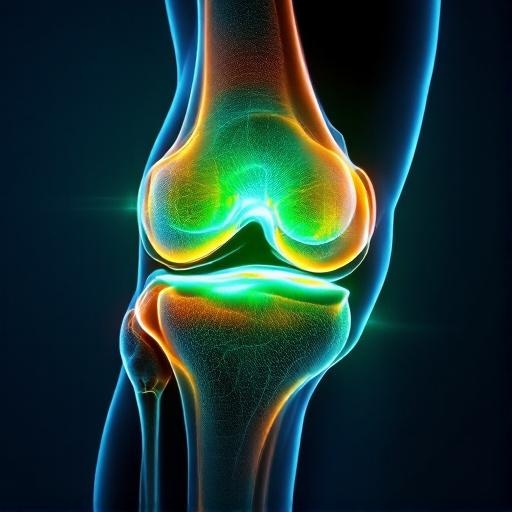
Knee joint
Tendon

Tendinopathy — Lateral Epicondyle, Achilles, Plantar Fascia

For lateral epicondylitis (tennis elbow), a randomized controlled trial by Gosens et al. showed 73% sustained improvement with PRP versus 49% with corticosteroid at one year — and steroid patients continued to deteriorate past 6 months while PRP patients maintained gains. Achilles tendinopathy responds better at the mid-portion than the insertional; the evidence there is moderate. Plantar fasciitis shows no short-term advantage over steroid, but at 3–6 months PRP consistently outperforms. LR-PRP is preferred for tendons, where some inflammatory signaling aids the healing process.

Tendon treatment
Shoulder

Rotator Cuff — Partial Thickness Tears

For partial-thickness rotator cuff tears, LP-PRP has demonstrated meaningful clinical improvement and, when used as an adjunct to surgical repair, reduces re-tear rates significantly — 15.2% versus 34.1% in comparative studies. Full-thickness complete tears are not a PRP indication. The evidence supports partial tears specifically, particularly in patients who wish to avoid surgery or augment a repair.
Rotator cuff

OMT prepares the tissue. PRP heals it.

Most patients who come to Dr. Knopp for PRP have already had OMT — and that sequencing is intentional. The two treatments are designed to work together.

Step 1 — OMT

Osteopathic manipulation restores joint mobility, reduces fascial restriction, and improves local circulation — creating the optimal tissue environment for regenerative therapy to take effect.

Step 2 — PRP or BMAC

Regenerative therapy is introduced into tissue that is now properly aligned and perfused. Growth factors or MSCs are delivered to a target that is physiologically ready to respond — not one locked in compensation patterns.

Step 3 — Ongoing OMT

Post-injection OMT supports the repair process by maintaining tissue mobility during the 4–8 week remodeling window. Patients who continue OMT after PRP consistently report faster and more durable improvements.

Why this matters clinically: Most pain clinics offer PRP as a standalone injection. Dr. Knopp's private practice is built around the full picture — OMT addresses the structural dysfunction that often predisposes tissue to injury, while PRP or BMAC drives biological repair. Neither alone is as effective as both together.

Bone marrow aspirate concentrate (BMAC)

BMAC takes the autologous approach further. Bone marrow is aspirated from the posterior iliac crest under local anesthesia — a brief, same-day procedure. The aspirate is then centrifuged to concentrate mesenchymal stem cells (MSCs), platelets, and anti-inflammatory cytokines including IL-1ra and IL-10.

MSCs are the body's primary tissue repair cells. They differentiate into cartilage, bone, and tendon, and they modulate inflammation through paracrine signaling — reducing the inflammatory environment rather than simply masking it.

A 4-year prospective study by Pabinger et al. followed patients with moderate-to-severe knee OA treated with BMAC. WOMAC scores improved from 40 to 18 (lower is better); IKDC functional scores rose from 56 to 73. Zero patients required total knee arthroplasty at 4-year follow-up.

BMAC is appropriate for patients with Kellgren-Lawrence grade III–IV OA where PRP is unlikely to be sufficient, patients who had PRP without adequate response, or as an adjunct to rotator cuff repair augmentation. The duration of benefit — typically 18+ months — exceeds what PRP alone provides.

More Advanced OA

KL grade III–IV osteoarthritis where PRP evidence is weaker. BMAC provides MSCs and a broader cytokine profile.

Longer Duration

BMAC benefit typically extends 18+ months — longer than PRP's 12–18 month window.

Failed PRP

Patients who didn't achieve adequate response from PRP may respond better to the MSC and cytokine profile in BMAC.

Delay Arthroplasty

For patients who are not ready or eligible for joint replacement, BMAC can provide years of meaningful function.

The honest timeline

PRP works slowly — because it's biology, not a steroid. Patients who expect to feel better within a week are going to be disappointed. Here's what actually happens.

Days 1–3
Inflammatory Phase
Soreness and swelling at the injection site are normal and expected. This is the initial inflammatory cascade — the signal your platelets are sending. Do not take NSAIDs. Ice the area; use acetaminophen if needed.
Weeks 1–3
No Change Yet
This is the most common window where patients worry the treatment isn't working. It is. Cellular recruitment and early matrix remodeling are happening at the tissue level — there is no surface-level symptom change during this phase.
Weeks 4–8
Improvement Begins
Most patients begin noticing meaningful functional changes in this window. Stiffness reduction often comes before pain reduction. Activity tolerance improves before pain scores change.
Months 3–6
Peak Benefit
Maximum therapeutic effect is typically reached 3 to 6 months post-injection. This is the window to evaluate whether retreatment or escalation to BMAC is appropriate.

Honest success rates

Across well-selected patients, approximately 60–70% achieve meaningful, sustained improvement. Grade I–II knee OA does better — closer to 75%. These are not cure rates. PRP improves symptoms and function; it does not regenerate cartilage visible on MRI.

NSAID restriction

Avoid ibuprofen, naproxen, aspirin, and all NSAIDs for 2–4 weeks post-injection. NSAIDs suppress the platelet-driven inflammatory cascade — the exact mechanism you are paying to activate. This is not optional guidance.

FDA status & cost

PRP and BMAC are FDA-compliant as autologous, same-day, minimally manipulated preparations — not the allogeneic "stem cell" products sold at unregulated clinics. However, they are not FDA-approved for orthopedic indications and are not covered by insurance. Private pay only.

Who benefits — and who doesn't

Good candidates

  • Knee OA grade I–III with documented cartilage loss but intact joint space
  • Chronic tendinopathy unresponsive to physical therapy and conservative care
  • Partial-thickness rotator cuff tear seeking non-surgical management
  • Patients wanting to delay surgery and able to tolerate a 6–8 week lag before improvement
  • Platelet count ≥ 150,000/μL; no active systemic illness

Not appropriate for

  • Grade IV bone-on-bone osteoarthritis — joint replacement is the appropriate intervention
  • Full-thickness complete tendon or ligament tears requiring surgical repair
  • Active malignancy or history of blood cancer
  • Active local or systemic infection at the time of injection
  • Uncontrolled diabetes (impairs platelet function and tissue healing capacity)

Is regenerative medicine right for you?

Candidacy requires a clinical evaluation — imaging review, exam, and a direct conversation about what the evidence does and doesn't support for your specific situation. Contact Dr. Knopp to discuss.

Schedule an Evaluation